
Introduction
Selecting the appropriate heat sink is crucial for ensuring the optimal performance and longevity of electronic components. Whether you are working on a small-scale hobby project or a large industrial application, understanding the role of a heat sink and how to choose the right one can make a significant difference in your project’s success. This guide will walk you through the essential considerations and tips for selecting the ideal heat sink, covering everything from basic concepts to application-specific choices.
1. Understanding the Basics of Heat Sinks
What is a Heat Sink?
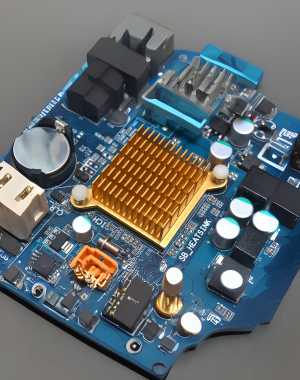
A heat sink is a passive thermal management device that dissipates heat from electronic components, preventing them from overheating. It is typically made from materials with high thermal conductivity, such as aluminum or copper, which help transfer heat away from the component and into the surrounding environment. Heat sinks are commonly used in CPUs, GPUs, power transistors, and LEDs, among other devices.
How Does a Heat Sink Work?
Heat sinks operate on the principle of thermal conduction, where heat is transferred from a hot surface to a cooler one. The heat generated by the electronic component is conducted to the heat sink, which then dissipates it into the air through convection. The efficiency of a heat sink depends on factors like material, surface area, and the surrounding airflow.
Types of Heat Sinks
There are several types of heat sinks, each suited to different applications:
– Passive Heat Sinks: Rely solely on natural convection to dissipate heat, making them silent and maintenance-free.
– Active Heat Sinks: Incorporate a fan or other moving parts to enhance airflow and improve heat dissipation.
– Hybrid Heat Sinks: Combine both passive and active elements for enhanced cooling performance.
– Liquid-Cooled Heat Sinks: Use liquid coolant to absorb heat from the component, which is then dissipated through a radiator.
2. Key Factors to Consider When Choosing a Heat Sink
Thermal Requirements
Understanding the thermal load your project generates is the first step in selecting a heat sink. Calculate the amount of heat your component produces in watts and determine the maximum allowable temperature. This will help you choose a heat sink with the appropriate thermal resistance to keep your component within safe operating temperatures.
Material Selection
The material of the heat sink greatly affects its performance. Aluminum is the most common material due to its good thermal conductivity and lightweight properties, making it suitable for most applications. Copper, although more expensive and heavier, offers superior thermal conductivity and is often used in high-performance applications where maximum heat dissipation is required.
Size and Form Factor
The physical size and shape of the heat sink must align with your project’s design constraints. A larger heat sink typically provides better heat dissipation but may not fit within compact designs. Consider the available space and ensure that the heat sink does not obstruct other components.
Mounting Methods
Different heat sinks are mounted using various techniques, depending on the application. Common methods include:
– Clip-On Mounting: Quick and easy, suitable for components with integrated clips.
– Screw-Mounted Heat Sinks: Provide a secure attachment, often used in heavier heat sinks.
– Adhesive-Based Mounting: Useful for applications where mechanical fastening is impractical, but may provide less stability.
Surface Area and Fin Design
The surface area of the heat sink directly impacts its ability to dissipate heat. Fin design, including the number, size, and spacing of fins, plays a crucial role in enhancing the surface area and improving airflow. More fins generally mean better cooling, but they also increase the resistance to airflow, which must be considered in forced convection scenarios.
3. Heat Sink Performance Metrics
Thermal Resistance (°C/W)
Thermal resistance is a key metric that measures how effectively a heat sink can transfer heat from the component to the environment. It is expressed in degrees Celsius per watt (°C/W). A lower thermal resistance indicates a more efficient heat sink, meaning it can maintain a lower temperature for the component.
Airflow Considerations
Airflow around the heat sink is critical for effective cooling. In natural convection systems, the ambient airflow is limited, so the heat sink design must maximize passive cooling. In forced convection systems, airflow is enhanced by fans or blowers, allowing for more compact heat sinks with higher fin densities.
Power Dissipation
Power dissipation refers to the heat that the heat sink needs to manage. As a general rule, the heat sink must be capable of dissipating more power than the component generates to prevent overheating. This metric helps in selecting a heat sink that matches the power requirements of your project.
4. Application-Specific Heat Sink Selection
Heat Sinks for Power Electronics
Power electronics, such as power transistors and voltage regulators, often generate significant amounts of heat. For these applications, choosing a heat sink with low thermal resistance and high heat dissipation capacity is essential. Materials like copper are preferred for their superior conductivity.
Heat Sinks for LEDs
LEDs are sensitive to temperature and require efficient heat dissipation to maintain their lifespan and brightness. LED-specific heat sinks often feature designs that maximize surface area and improve airflow, such as finned or pin-style designs. Ensuring adequate spacing between LEDs and heat sinks is also important to prevent thermal coupling.
Heat Sinks for CPUs and GPUs
High-performance computing components like CPUs and GPUs generate considerable heat. For these components, active heat sinks with integrated fans are often necessary to maintain safe operating temperatures. Liquid cooling solutions may also be considered for extreme performance needs.
Custom vs. Off-the-Shelf Heat Sinks
In some cases, standard off-the-shelf heat sinks may not meet the specific requirements of your project. Custom heat sinks, designed to the exact specifications of your application, can provide tailored thermal management solutions. However, custom solutions often come at a higher cost and longer lead times.
5. Practical Tips for Heat Sink Installation
Thermal Interface Materials (TIMs)
The thermal interface material (TIM) fills the microscopic gaps between the heat sink and the component, ensuring optimal thermal conduction. Common TIMs include thermal paste, thermal pads, and thermal epoxy. Choosing the right TIM and applying it correctly is crucial for achieving the best performance from your heat sink.
Ensuring Proper Contact
To maximize heat transfer, the heat sink must be in direct, firm contact with the component. Check for any gaps or uneven surfaces that could reduce thermal conduction. Some mounting methods, such as screw-mounted heat sinks, allow you to adjust the pressure to ensure good contact.
Maintenance and Inspection
Regular maintenance of your heat sink is important for long-term performance. Dust accumulation can reduce airflow and thermal efficiency, so periodic cleaning is recommended. Additionally, inspect the heat sink for any signs of wear, such as corrosion or fin damage, and replace it if necessary.
6. Common Mistakes to Avoid When Choosing a Heat Sink
Overlooking Thermal Requirements
One of the most common mistakes is underestimating the heat dissipation needs of your project. Without adequate thermal management, components can overheat, leading to reduced performance or failure. Always perform thorough thermal analysis before selecting a heat sink.
Ignoring Airflow Dynamics
Proper airflow management is critical for heat sink performance. Placing the heat sink in an area with restricted airflow or neglecting the orientation of the fins can severely limit its cooling capacity. Consider the overall airflow path in your design to ensure efficient heat dissipation.
Incompatible Materials
Using mismatched materials for the heat sink and component can result in poor thermal performance and even damage the component. Ensure that the materials used are compatible and that the mounting method provides stable, long-term contact.
Conclusion
Selecting the right heat sink is a complex but crucial step in the design of any electronic project. By understanding the various types of heat sinks, key performance metrics, and application-specific considerations, you can make an informed decision that ensures the success and longevity of your project. Always take the time to assess your project’s unique thermal requirements and choose a heat sink that meets those needs effectively.
FAQs Related to Heat Sinks
1. What is the difference between a passive and an active heat sink?
– Passive heat sinks rely on natural convection, while active heat sinks use fans to enhance airflow and cooling performance.
2. How do I determine the right size of heat sink for my project?
– Calculate the thermal load in watts and match it with a heat sink that has an appropriate thermal resistance and size for your project.
3. Can I use any thermal paste with my heat sink?
– Not all thermal pastes are the same; select one that matches your application’s thermal requirements and the materials involved.
4. What are the signs that my heat sink is not functioning properly?
– Common signs include overheating of components, reduced performance, and visible dust or corrosion on the heat sink.
5. When should I consider a custom heat sink design?
– Opt for a custom heat sink when off-the-shelf solutions do not meet the specific size, shape, or thermal requirements of your project.
6. How often should I clean or maintain my heat sink?
– Regularly inspect your heat sink for dust buildup and clean it at least once every few months, or more frequently in dusty environments.