
Introduction: The Evolution of Prototyping with 3D Printing Services
Prototyping is a critical phase in product development, where ideas are transformed into tangible models that can be tested, evaluated, and refined. Traditionally, prototyping has been a time-consuming and costly process, involving complex techniques such as CNC machining, injection molding, or manual fabrication. However, the advent of 3D printing services, particularly those utilizing metal 3D printers, has revolutionized this landscape.
3D printing services have brought unprecedented speed, precision, and versatility to prototyping. By directly translating digital designs into physical models, these services eliminate many of the inefficiencies of traditional methods. The rise of metal 3D printers has further expanded the possibilities, enabling the creation of highly durable and complex prototypes that were previously unattainable. In this article, we’ll explore the top five benefits of using a 3D printing service for prototyping, focusing on the advantages offered by metal 3D printers.
1. Accelerated Design Iterations with 3D Printing Services
Speed is often a critical factor in the prototyping phase, and this is where 3D printing services excel. Traditional prototyping methods can take weeks or even months to produce a single model, especially when multiple design iterations are required. In contrast, 3D printing services can produce prototypes in a matter of days, sometimes even hours, depending on the complexity of the design.
The ability to quickly produce and test multiple iterations of a prototype allows designers and engineers to refine their concepts rapidly. This iterative process is crucial for identifying potential flaws and making necessary adjustments before moving on to full-scale production. With metal 3D printers, the speed of production does not come at the expense of quality; these machines are capable of producing intricate details and complex geometries that meet the exacting standards of modern engineering.
2. Cost-Efficiency in Prototyping Using Metal 3D Printers
Cost is another significant consideration in the prototyping process. Traditional methods often involve substantial material waste and high labor costs, particularly when dealing with complex or customized designs. Metal 3D printers, however, optimize material usage by building prototypes layer by layer, using only the material necessary for the design. This additive manufacturing approach minimizes waste and reduces the overall cost of materials.
In addition to material savings, the automation of the 3D printing process significantly reduces labor costs. Once the design is finalized and uploaded to the printer, the machine handles the entire production process with minimal human intervention. This not only lowers the cost but also reduces the risk of human error, ensuring consistent quality across multiple prototypes.
3. Enhanced Precision and Complexity with Metal 3D Printers
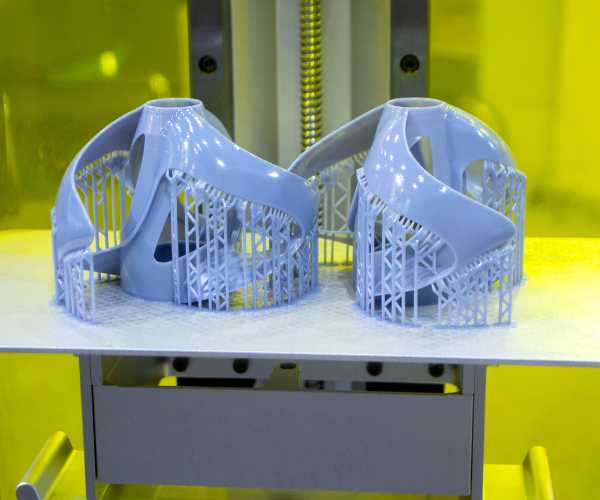
One of the standout features of metal 3D printers is their ability to produce prototypes with high precision and intricate details. Traditional manufacturing methods often struggle with complex geometries, especially when internal structures or fine features are involved. Metal 3D printers, however, can effortlessly create complex shapes and designs that would be impossible or prohibitively expensive to achieve through other means.
The precision offered by metal 3D printers is particularly beneficial in industries where tight tolerances and detailed features are critical, such as aerospace, automotive, and medical devices. Whether it’s a small component with intricate internal channels or a larger structure with complex geometry, metal 3D printing services can deliver prototypes that meet the most demanding specifications.
4. Material Versatility Offered by 3D Printing Services
The versatility of materials available through 3D printing services is another significant advantage. Metal 3D printers can work with a wide range of metal alloys, each with its own unique properties and applications. Whether you’re looking for the strength and durability of stainless steel, the lightweight characteristics of aluminum, or the heat resistance of titanium, 3D printing services can accommodate your specific material needs.
Moreover, 3D printing allows for the customization of material properties to suit particular requirements. For example, certain alloys can be tailored to enhance strength, flexibility, or corrosion resistance, depending on the intended application of the prototype. This level of material versatility is difficult to achieve with traditional prototyping methods, making 3D printing services an invaluable tool for product development.
5. Risk Reduction in Product Development
Prototyping is an essential step in minimizing risk during product development. By creating and testing prototypes early in the design process, companies can identify and address potential issues before they escalate into costly problems. 3D printing services play a crucial role in this risk reduction by providing fast, accurate, and cost-effective prototyping solutions.
The lower upfront investment required for 3D printing compared to traditional manufacturing methods makes it easier for companies to experiment with innovative designs without the fear of financial loss. This encourages creativity and innovation, allowing companies to explore new ideas and push the boundaries of what is possible in their industry.
Case Studies: Successful Prototyping with Metal 3D Printers
The benefits of using 3D printing services for prototyping are not just theoretical; they have been demonstrated in numerous real-world applications across various industries. For instance, in the aerospace industry, metal 3D printers have been used to create lightweight yet robust components that meet the strict regulatory standards of the sector. These prototypes have accelerated the development of new aircraft and spacecraft, reducing time-to-market and improving overall efficiency.
Similarly, in the automotive industry, 3D printing services have enabled the rapid prototyping of complex engine components, allowing for quick testing and refinement. This has led to the development of more efficient engines and has significantly shortened the development cycle for new vehicles.
Choosing the Right 3D Printing Service for Your Prototyping Needs
When selecting a 3D printing service for prototyping, there are several key factors to consider. First, evaluate the range of materials offered by the service provider. Ensure that they have the metal alloys you need for your prototypes and that they can customize these materials to meet your specific requirements.
Next, consider the capabilities of the metal 3D printers used by the service provider. Look for machines that offer the precision, speed, and complexity needed for your designs. Additionally, assess the experience and expertise of the service provider; a company with a proven track record in your industry will be better equipped to handle your prototyping needs.
Finally, compare the pricing and turnaround times of different service providers. While cost is important, it’s equally crucial to ensure that the service provider can deliver high-quality prototypes within your required timeframe.
Common FAQs About 3D Printing Services and Metal 3D Printers
– What is the turnaround time for prototypes using a 3D printing service?
– Turnaround times can vary depending on the complexity of the design and the specific 3D printing service used, but most prototypes can be produced within a few days to a week.
– How does the cost of metal 3D printing compare to other prototyping methods?
– Metal 3D printing is often more cost-effective, especially for complex or small-batch prototypes, due to reduced material waste and lower labor costs.
– Can metal 3D printers produce prototypes with complex internal structures?
– Yes, metal 3D printers are highly capable of producing complex internal geometries that would be challenging or impossible to create with traditional manufacturing methods.
– What types of metal can be used in 3D printing services?
– A wide range of metals can be used, including stainless steel, aluminum, titanium, cobalt-chrome, and more, depending on the specific needs of the prototype.
– How durable are prototypes made with metal 3D printers?
– Prototypes made with metal 3D printers are typically very durable and can be used for both functional testing and as end-use parts in some applications.
Conclusion: The Future of Prototyping with 3D Printing Services
In summary, the use of 3D printing services, particularly with metal 3D printers, offers significant benefits for prototyping. From accelerated design iterations and cost-efficiency to enhanced precision, material versatility, and risk reduction, these services provide a powerful toolset for modern product development. As technology continues to advance, the capabilities of 3D printing will only expand, further solidifying its role as a cornerstone of innovation in various industries. Whether you’re an established company or a startup, leveraging the advantages of 3D printing services can give you a competitive edge in bringing new products to market faster and more efficiently.